Pros and Cons of Flat Roof Skylight Installation
The choice to add skylights on flat roofs offers both advantages and challenges. These additions can boost daylight penetration, boost energy performance, and enhance property aesthetics. Yet, they bring certain concerns, like significant expenses and upkeep requirements. Before making a choice, property owners should evaluate various factors. How might these factors impact for property owners?
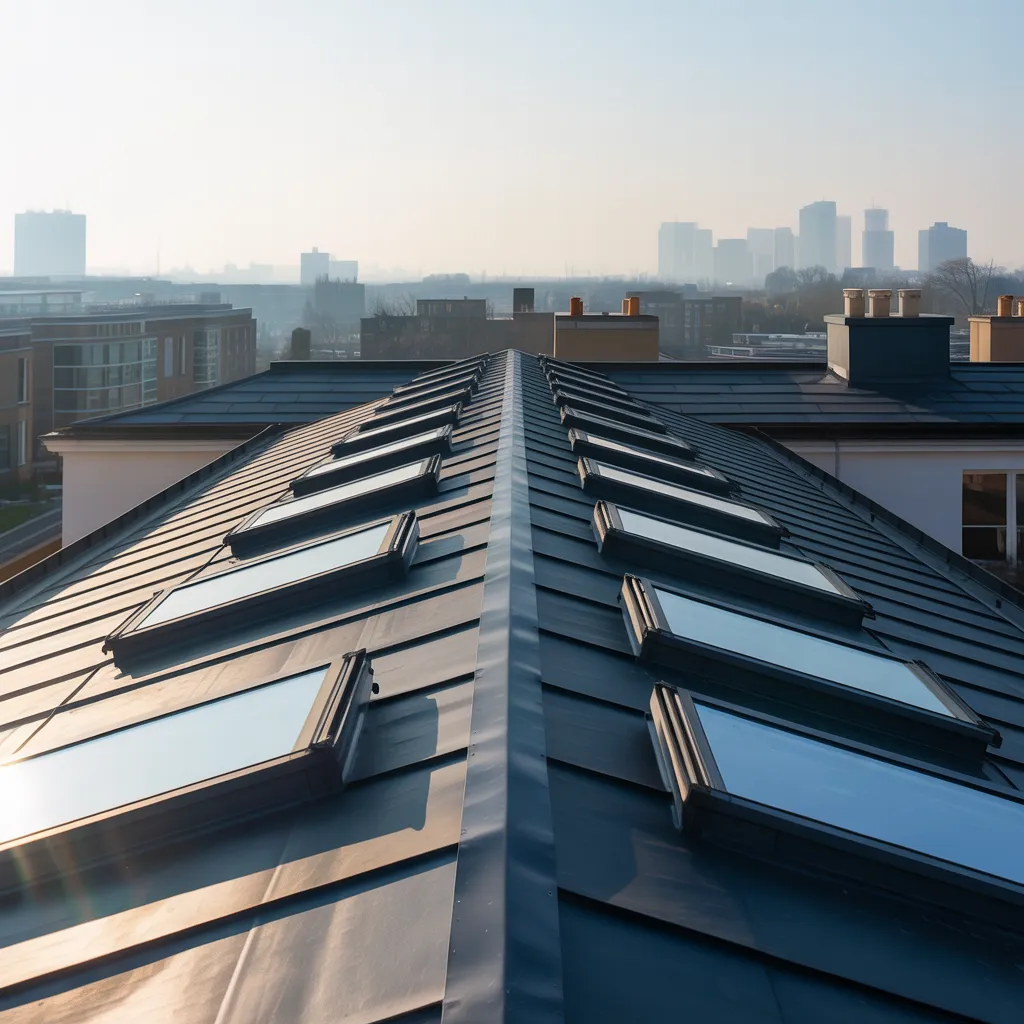
Benefits of Skylights on Flat Roofs
Skylights on flat roofs offer numerous advantages that enhance both the aesthetic and functional aspects of a space. A major advantage is the enhancement of interior air quality, since skylights enable natural airflow when openable versions are fitted. This capability assists in decreasing dependence on synthetic lighting and climate control systems, resulting in reduced energy costs. Moreover, skylights establish an impression of roominess, rendering areas more generous and appealing. Their distinctive style offers possibilities for innovative architectural design, adding to the complete personality of a structure. Furthermore, they can elevate real estate worth, drawing in potential investors who recognize the fusion of current design trends and practical benefits. In summary, skylights constitute a worthwhile investment for buildings with flat roofs.
Superior Sun-Based Illumination
Adding skylights to flat roofs substantially increases natural lighting within a space. This enhancement of daylight not only elevates the aesthetic appeal of interiors but also contributes to energy efficiency by lowering reliance on artificial lighting. In summary, skylights serve as a valuable architectural feature that maximizes both functionality and design.
Enhanced Sunlight Availability
Installing skylights in flat roofs remarkably enhances natural lighting within a space, enabling sunlight to flood in throughout the day. This greater presence of daylight can substantially improve the overall ambiance and functionality of interiors. Natural light has been linked to elevated mood, productivity, and well-being, making skylights a valuable addition for homes and businesses equally. Additionally, daylighting can reduce the reliance on artificial lighting, contributing to lower energy costs and a smaller carbon footprint. By strategically positioning skylights, building owners can maximize light penetration, ensuring that even the darkest corners of a room receive ample illumination. This enables a more inviting and vibrant environment, improving the overall experience for occupants.
Improved Visual Attractiveness
Natural light pouring through skylights transforms the aesthetic appeal of flat-roofed spaces, establishing a visually dynamic environment. These openings in the ceiling not only illuminate the interiors but also elevate the overall design, making areas feel expansive and appealing. The interplay of sunlight and shadows brings depth and texture, establishing a lively atmosphere that can boost the mood of any room. Additionally, skylights can serve as focal points, drawing attention to architectural features or artwork. By incorporating diverse shapes and sizes, homeowners can tailor the look to suit their individual preferences, effectively combining functionality with elegance. Ultimately, the presence of natural light through skylights enhances the visual experience, boosting the charm of flat-roofed structures.
Benefits of Energy Efficiency
Skylights don't just brighten flat-roofed areas but also significantly enhance energy efficiency by lessening reliance on artificial lighting. By capturing natural sunlight, they enable homeowners to lower energy consumption during daylight hours. This minimization in artificial lighting not only decreases electricity bills but also decreases the overall carbon footprint of a household. Additionally, strategically placed skylights can enhance ventilation, promoting air circulation and decreasing the need for air conditioning. The influx of natural light can create a more appealing atmosphere, boosting well-being and productivity. Moreover, innovations in skylight technology, such as energy-efficient glazing, help preserve indoor temperatures, further supporting energy savings. Overall, the installation of skylights represents a sensible approach to achieving both aesthetic and energy efficiency gains.
Enhanced Energy Conservation
Although numerous property owners pursue visual improvements, the energy efficiency benefits of installing skylights on flat roofs should not be ignored. Skylights can significantly reduce energy consumption by maximizing natural light, which reduces the need for artificial lighting during the day. This reduction in electricity use not only cuts energy bills but also reduces the overall carbon footprint of the home. Moreover, well-placed skylights can boost ventilation, allowing warm air to escape, thereby lowering cooling costs in warmer months. By harnessing sunlight effectively, skylights contribute to a more sustainable living environment. Homeowners should consider the long-term savings and environmental impact when evaluating the installation of skylights, as they offer both instant and continuous energy efficiency advantages.
Visual Attractiveness and Enhanced Property Worth
Skylights on flat roofs offer enhanced natural lighting, producing a lighter and more appealing interior space. Their sleek design works to enhance the total aesthetic appeal of a property. This combination not only improves visual attractiveness but can also contribute to an increase in property value.
Improved Ambient Lighting
Sunlight plays an essential part in elevating the aesthetic appeal of interior spaces, transforming them into welcoming and lively environments. The installation of skylights on flat roofs considerably amplifies the influx of natural light, brightening rooms and creating an uplifting atmosphere. This added illumination can minimize the need for artificial lighting, contributing to energy savings. Additionally, the presence of natural light can favorably impact mood and productivity, making spaces feel more airy and tied to the outdoors. With respect to property value, homes with abundant natural light are often more desirable to potential buyers, as they offer a sense of warmth and spaciousness. Ultimately, enhanced natural lighting through skylights contributes to both the beauty and commercial value of a property.
Contemporary Design Component
As residents strive to establish contemporary and sophisticated environments, skylights on flat roofs have emerged as a significant modern design element. These installations don't just improve the architectural attractiveness of a property and additionally promote a sense of openness and connection to the outdoors. The sleek lines and minimalist aesthetic of skylights enhance multiple design styles, from industrial lofts to sleek, modern homes. Moreover, their capacity to capture natural light establishes a dynamic interplay between indoor areas and outdoor surroundings, enhancing the overall ambiance. The strategic placement of skylights can also highlight specific design features, making them a favored choice among architects and designers working to meet clients' desires for forward-thinking and beautiful implementations.

Elevated Property Appeal
Boosting the aesthetic appeal of a home often contributes to increased property value, making skylights on flat roofs a worthwhile investment. Skylights bring in natural light, creating a brighter and more inviting atmosphere that can transform typical spaces. This infusion of light can highlight architectural features and enhance the overall ambiance. Potential buyers are often interested in properties that offer unique design elements, and skylights can serve as a distinctive selling point. Additionally, the modern look of skylights complements different architectural styles, further boosting curb appeal. As a result, homeowners can expect a strong return on investment, as well-designed skylights not only elevate visual appeal but also contribute to a more valuable property in the competitive real estate market.
The Drawbacks of Skylights
Although skylights provide considerable benefits concerning light and aesthetic appeal, numerous potential downsides warrant careful consideration. Initially, improper installation can cause leaks, which could lead to water damage to the interior. Additionally, skylights can generate heat buildup, resulting in increased energy costs for cooling during hotter months. They may also contribute to glare, making particular areas uncomfortable, especially in sunny climates. Privacy concerns emerge as well, particularly in densely populated areas where neighbors can easily see inside. Furthermore, skylights might need specialized framing, possibly increasing construction costs. Finally, the risk of condensation may result in mold growth if not sufficiently managed, creating health risks to occupants. These factors should be evaluated against the positives before committing to installation.
Maintenance and Repair Considerations
Appropriate upkeep and timely fixes are vital for ensuring skylights perform optimally and maintain their aesthetic appeal. Routine examinations should be performed to look for leaks, cracks, or condensation buildup, as these issues can damage the integrity of the skylight. Maintaining the glass and surrounding frames is required to keep dirt and debris from hindering light entry. Additionally, the flashing and seals around skylights must be examined for wear and tear, as damaged components can cause water infiltration. Homeowners should be prepared for potential repairs, which may include fixing or changing parts of the skylight system. Investing in learn now professional maintenance services can extend the lifespan of skylights, seeing to it that they remain a valuable feature of flat roofs.
Aspects to Consider Ahead of Installation
Several key considerations must be meticulously examined before placing skylights on flat roofs to achieve superior performance and aesthetic quality. First, the roof's structural integrity is paramount; it must accommodate the additional weight and likely water pooling. Secondly, the local climate plays a vital role; locations with substantial rainfall or snow may necessitate specialized waterproofing measures. Third, the placement and scale of the skylight should optimize natural light while minimizing heat loss or gain. Additionally, examining energy efficiency through double or triple glazing can boost insulation. Ultimately, local building codes and regulations must be assessed to verify compliance. Comprehensive evaluation of these elements can lead to a successful skylight installation that improves both functionality and visual appeal.
Frequently Asked Questions
What Impact Do Skylights Have on Indoor Temperature Control?
Indoor temperature control can be considerably influenced by skylights that permit natural light to enter, which may warm the space during colder months. However, they can also result in overheating in warmer months if not adequately managed.
Can Skylights Experience Leaks During Heavy Rain or Snow?
Skylights can definitely leak in heavy rain or snow if not adequately installed or maintained. Defective sealing, substandard drainage, and age-related wear can worsen this concern, contributing to likely water damage within the property.
What Kinds of Skylights Are Most Suitable for Flat Roofs?
The most effective varieties of skylights for flat roofs include curb-mounted designs, which provide enhanced drainage, and those with a low-profile design. These alternatives improve aesthetics while decreasing potential leak issues and maintenance challenges.
Will I Need a Building Permit for Skylight Installation?
In numerous jurisdictions, a building permit is necessary for skylight installation. It is essential to confirm local building codes and regulations to maintain compliance, as requirements can change substantially depending on the specific location and project details.
How Skylights Influence Home Insurance Premiums?
Skylights could influence home insurance premiums, as insurance companies might consider them an increased risk for leaks or damage. Property owners should contact their insurance provider to understand specific policy consequences connected to skylight installations.